
Roof Restorations on the Central Coast
- Asbestos Checked Before Cleaning
- Ridge Capping Fixed to AS 2050
- Solar Brackets Fitted During Restoration
Request a Free Quote
Contact Us
Thank you for contacting Norwest Roof Restorations.
We will get back to you as soon as possible.
Oops, there was an error sending your message.
Please try again later.
Request a Free Quote
Contact Us
Thank you for contacting Norwest Roof Restorations.
We will get back to you as soon as possible.
Oops, there was an error sending your message.
Please try again later.

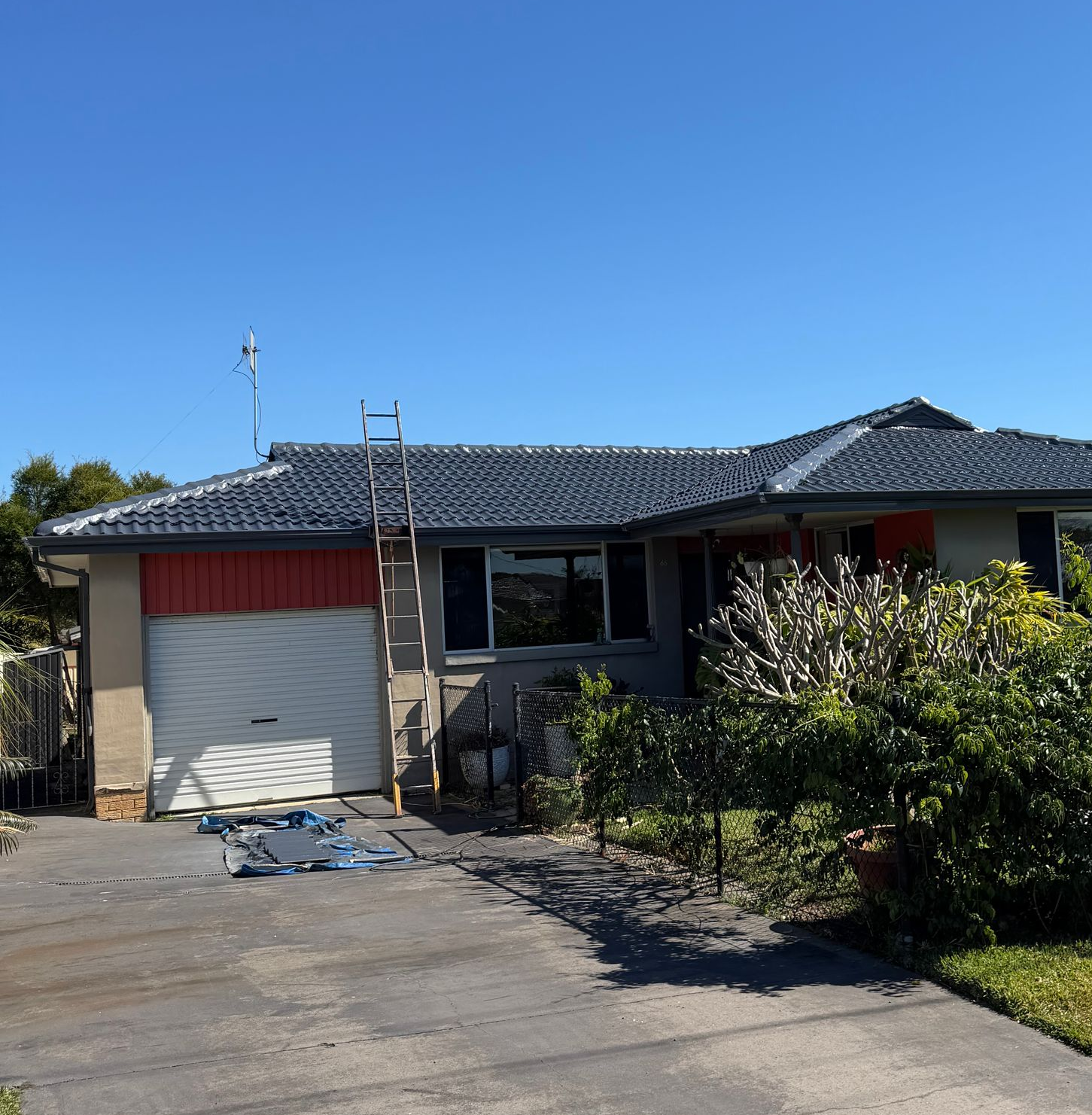
Central Coast Roof Restorations
At Northwest Roof Restorations, our roof restorations on the Central Coast involve repairing, cleaning and protecting an existing roof that remains suitable for continued use. We restore tile and metal roofs for homes and strata properties, tailoring the work to their condition.
For tiled roofs, this can include replacing broken tiles, securing ridge capping, re-bedding, re-pointing and applying suitable coatings. Metal roofs may need surface rust treatment, replacement fasteners or damaged sheets replaced before cleaning and recoating.
Our team assesses what your roof needs before recommending the work. Call 0416 117 740 to arrange a free quote and discuss restoring your existing roof.
What Happens on a Roof Restoration, Step by Step
What actually happens during a roof restoration? Let’s walk through the process with Norwest Roof Restorations, from the first inspection to the final clean-up.
1. Inspecting Your Roof
We inspect the tiles or metal sheets, ridge capping, valleys, flashings and gutters for cracked tiles, loose mortar, corrosion and potential leaks. Homes built before 1990 are more likely to contain asbestos in roofing or other building materials. Suspected materials need assessment before cleaning or repairs proceed. We check access so equipment and materials can be brought in without unnecessary disruption.
2. Repairing Tiles, Ridges & Metal Sheets
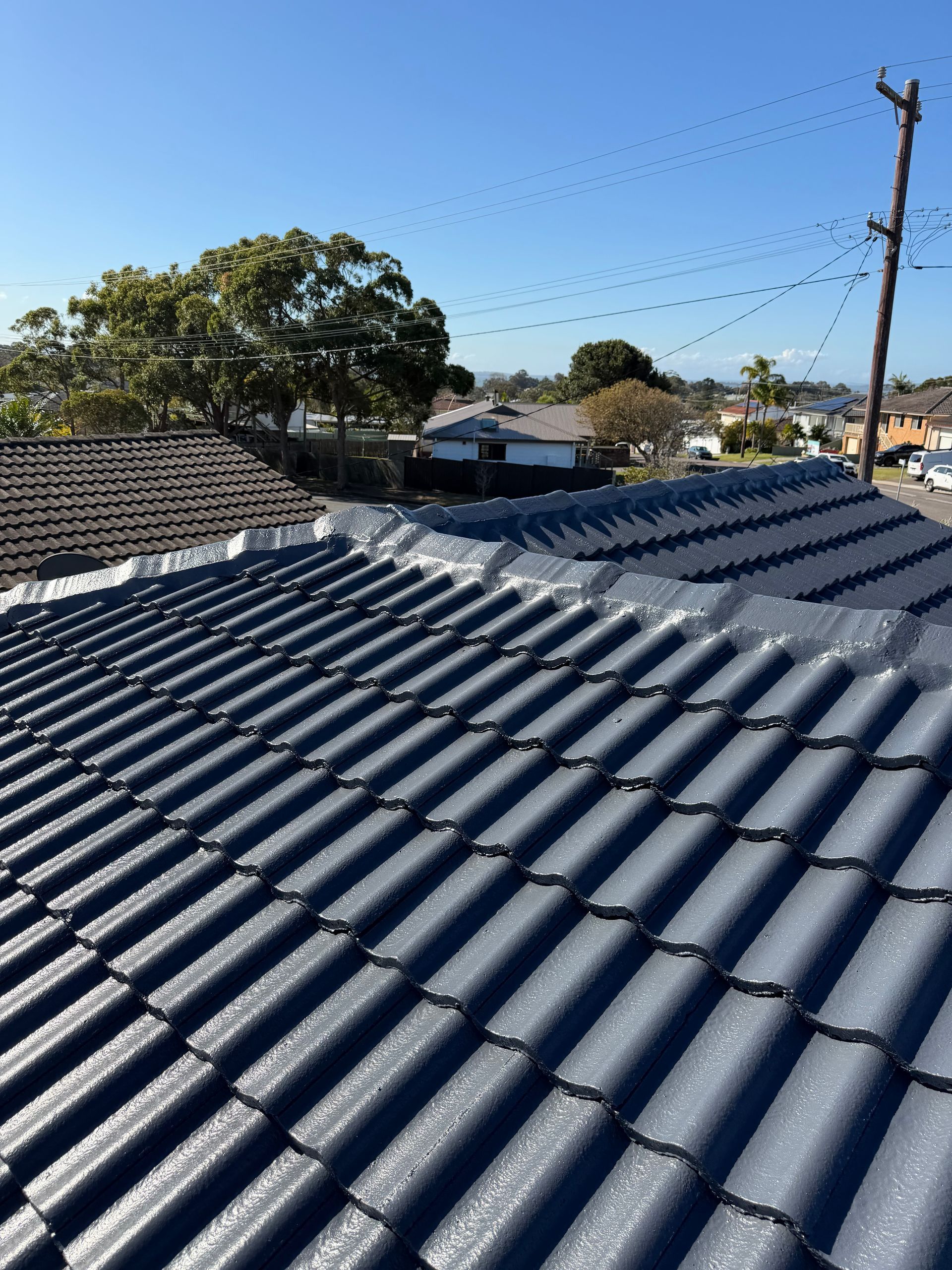
On tiled roofs, we replace cracked tiles and repair ridge capping where needed. Re-bedding replaces the mortar beneath the caps; re-pointing renews the flexible outer finish that seals the joints. The work follows applicable NCC Housing Provisions Part 7.3 requirements and AS 2050.
For metal roofs, we treat surface rust, replace deteriorated fasteners and address damaged sheets. Paint cannot compensate for loose tiles, failing fixings or corroded metal. Repairs depend on what the inspection finds.
3. Cleaning & Preparing the Surface
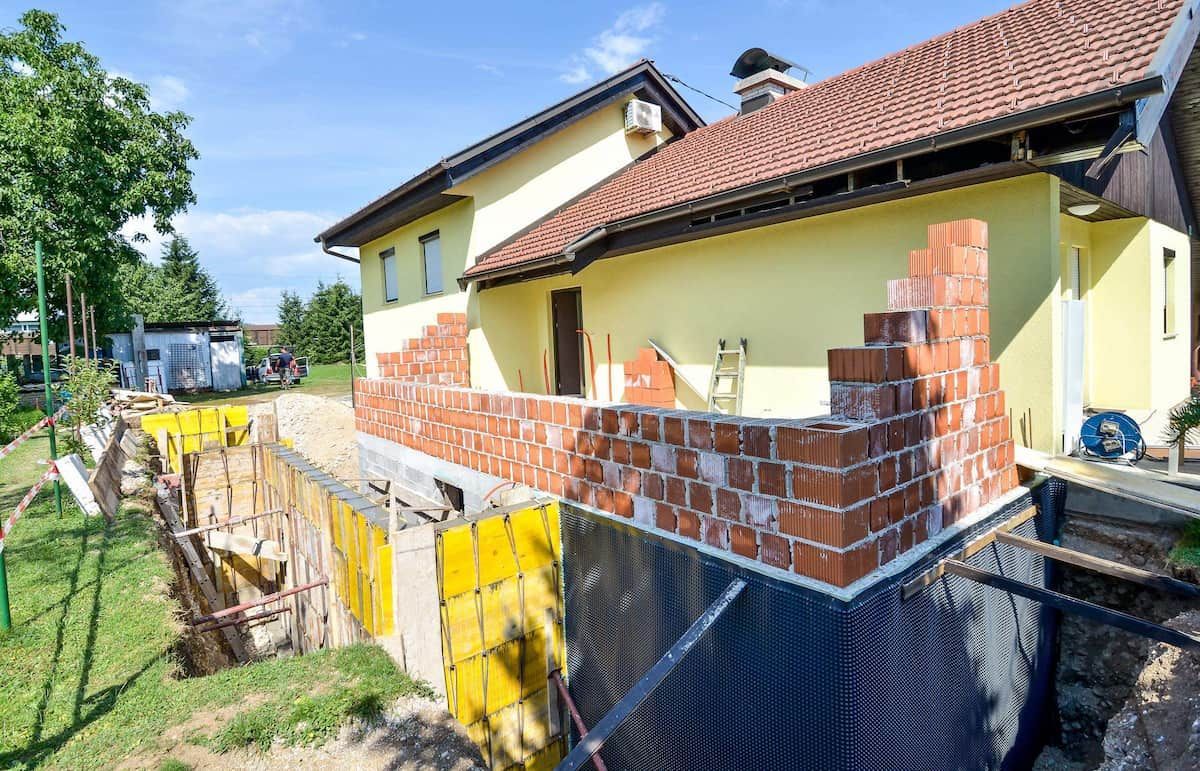
Concrete and terracotta tiles are pressure cleaned where suitable to remove dirt, moss and lichen. Metal roofs also need thorough cleaning to prepare the surface for coating.
Cleaning methods must suit the roof’s condition and material. SafeWork NSW prohibits high-pressure water cleaning of asbestos-containing materials because it can release dangerous fibres and spread contamination. An asbestos roof cannot go through this pressure-cleaning process.
4. Applying Suitable Roof Coatings
Once the roof is repaired, clean and dry, we apply a suitable primer or sealer, followed by compatible topcoats. We use roofing products from Globalcote, Shieldcoat and Dulux, selecting the coating system for the roof material and its condition.
Concrete tiles and metal sheets need different preparation and products; terracotta also requires an assessment of coating suitability. Drying times and suitable weather conditions guide each stage.
5. Coordinating Your Solar Installation
Perhaps you're getting a roof restoration done because you're looking at getting solar panels installed? Our team can install brackets for your new panels, complete spraying of cleaning and protective coatings, and then personally handle your installation a week later when the coatings have dried.
We deal with everything ourselves because we specialise in rooftop solar installation, avoiding pitfalls like damaged tiles underneath incorrectly installed brackets that would necessitate expensive removal and reinstallation to restore.
6. Cleaning Up & Checking the Work
We remove debris and leftover materials, tidy the work areas and check the completed restoration. Tiles, ridge capping, repaired metal sections and coated surfaces are reviewed, along with gutters and drainage paths affected by the work.
We explain what has been completed and discuss any maintenance your roof may need to extend its life. You have an opportunity to ask questions before the job is finished. Ready to get started? Reach out to us today.
Is a Roof Restoration Worth It, or Is It Time to Replace?
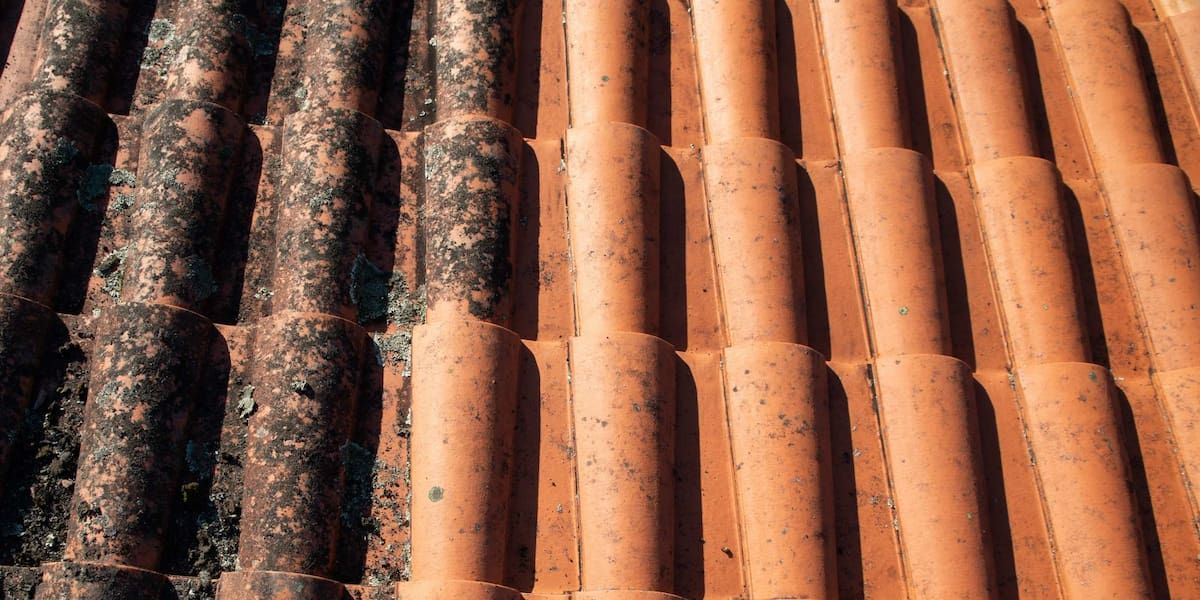
A worn roof doesn’t always need replacing. If the frame is straight, most tiles are sound and damage can be addressed through repairs, restoration may be a practical way to keep the existing roof in service. Replacing damaged tiles, repairing ridge capping and applying suitable coatings can improve its condition without removing the entire covering.
The decision changes when problems extend beyond the surface. Widespread cracking, rotten battens beneath the tiles or a sagging roofline need closer investigation. Cleaning and painting cannot correct weakened supports or make badly deteriorated tiles sound again. Depending on the findings, replacement and repairs to the supporting structure may be needed.
Weight can also influence a decision to change roofing materials. For comparison, concrete tiles can weigh around 48.5 kg/m², while Colorbond sheeting weighs approximately 4.35 kg/m². That difference reduces the covering’s load on the frame, but a lighter roof still needs appropriate structural assessment, fixings and installation. Switching to metal won’t resolve existing structural damage by itself.
At Norwest Roof Restorations, we assess the covering and supporting components before recommending whether restoration or replacement makes sense for your property. You’ll understand what can be retained and what needs attention.
Restoration pricing depends on the roof area and pitch, the number of broken tiles, the length of ridge capping requiring work and the coating system selected. Site access, safety arrangements and any solar panel removal or installation also affect the scope.
Get in touch with us today for a free quote and advice on whether restoration is right for your roof or a full roof replacement would be better suited.
Frequently Asked Questions
How much does a roof restoration cost on the Central Coast?
The cost depends on the roof’s size, pitch, material and condition, along with how much preparation and repair work is needed. Replacing broken tiles, repairing ridge capping or treating rust will affect the quote, as will the coating system, site access and any solar panel work. Two similarly sized homes can need quite different work, so an inspection provides a clearer picture than a general price range. Arrange a free quote to discuss your roof’s requirements.
How long does a roof restoration take?
A roof restoration generally takes several days, depending on the roof’s size, condition and the repairs required. Cleaning, preparation and coating happen in stages, with drying time needed between applications. Rain, strong winds or unsuitable temperatures can interrupt the schedule, particularly during coating. If solar installation is also planned, it may happen separately once the coatings have dried. Your roofing team can explain the expected timing after inspecting the roof and confirming the work.
Can a fibro roof containing asbestos be restored?
An asbestos-containing fibro roof cannot undergo the same pressure-cleaning process used for tile or metal restoration. Asbestos is found in around one in three Australian homes and may be present in properties built before 1990. SafeWork NSW prohibits high-pressure water cleaning of asbestos-containing materials, and breaches can attract fines. Suspected asbestos needs specialist assessment before work begins to determine suitable management or removal options. Read SafeWork NSW’s asbestos safety guidance before arranging work on an older fibro roof.
Will a roof restoration fix leaks?
A restoration can address leaks when the work includes repairing their source, such as replacing cracked tiles, securing ridge capping or repairing damaged flashing. Cleaning and recoating alone won’t fix every leak, particularly if water is entering through deteriorated components or there are underlying structural problems. An inspection helps identify where water is getting in and whether the required repairs can form part of the restoration. More extensive damage may need a different approach.
Do I need to be home during a roof restoration?
You generally don’t need to stay home throughout the work, provided access and any other arrangements have been agreed with the roofing team. Before work starts, discuss access to gates, outdoor taps and power, along with parking, pets and any areas that need protection. Expect some noise during cleaning and repairs. For strata properties, access and resident notifications may also need coordination. Confirm whether you need to be available for the initial visit or final handover.


